India delivers medical help to Iran during crisis
India sends medical aid to Iran amid conflict as Tehran thanks Indian people
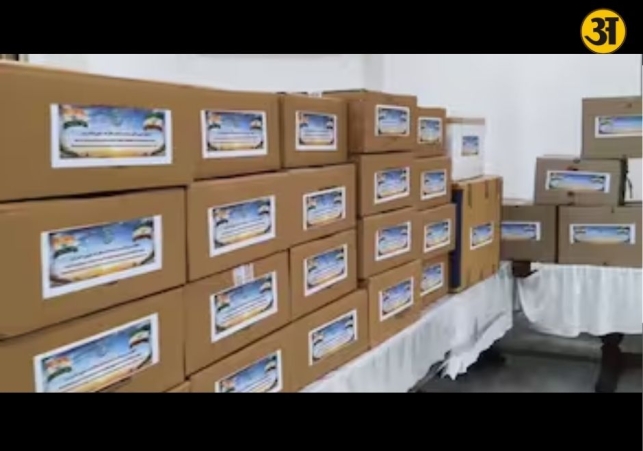
India has sent its first batch of medical aid to Iran as the Middle East conflict continues to escalate. The humanitarian assistance comes at a time when Iran is facing serious challenges due to ongoing tensions with Israel and the United States. The move highlights India’s commitment to providing support during global crises, regardless of political differences.
The aid was handed over to the Iranian Red Crescent Society, which is responsible for providing emergency relief and healthcare services in the country. The Iranian Embassy in India expressed its gratitude, thanking the people of India for their kindness and support during difficult times.
In a message shared on social media, the embassy said that the medical assistance reflects the goodwill of Indian citizens. It also appreciated the efforts made to help those affected by the conflict. This gesture has been seen as an important step in strengthening humanitarian ties between the two nations.
India’s decision to send aid comes as the situation in the Middle East remains tense. The ongoing conflict has disrupted daily life in many parts of Iran, putting pressure on hospitals and healthcare services. Access to medicines and medical supplies has become more important than ever.
To further support relief efforts, the Iranian Embassy in India has also shared details for donations. It released an official account number and encouraged people to contribute if they wish to help. This step aims to increase support from individuals and organisations who want to assist those affected by the crisis.
Rising tensions and recent developments
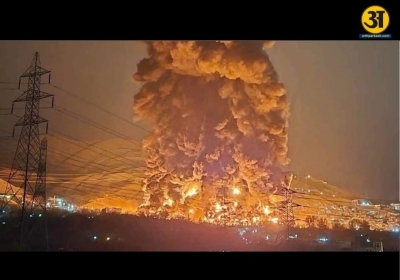
The conflict involving Iran, Israel, and the United States has been intensifying over the past few weeks. Military actions, including airstrikes and targeted operations, have raised concerns about regional stability and the safety of civilians.
According to recent reports, several senior Iranian leaders and officials have been killed in attacks. Israel’s Defence Minister Israel Katz announced that Iran’s Intelligence Minister Esmail Khatib was killed in an overnight strike. This development came shortly after the deaths of other high-ranking figures, including Ali Larijani and Brigadier General Gholamreza Soleimani.
These incidents have increased tensions and raised fears of further escalation. Israeli Prime Minister Benjamin Netanyahu has reportedly given the military permission to target additional high-ranking Iranian officials without requiring further approval. This suggests that the conflict may continue to intensify in the coming days.
At the same time, global leaders are closely monitoring the situation. The United States has also made strong statements regarding Iran. Former US President Donald Trump described Iran as a major sponsor of terrorism and said that firm action has been taken against it. He also criticised US allies, calling them non-responsive during the crisis.
These developments show how complex and serious the situation has become. With multiple countries involved, the risk of a wider conflict cannot be ignored. This has increased the importance of humanitarian efforts like the one made by India.
ALSO READ: Trump says Israel will not use nuclear weapons against Iran amid conflict
Humanitarian support and global response
India’s decision to send medical aid reflects its focus on humanitarian values. Even in times of conflict, providing support to affected populations is considered an important responsibility. The medical supplies are expected to help hospitals treat patients and manage the growing number of cases caused by the conflict.
Such assistance is especially important in war-affected regions, where healthcare systems often struggle to cope with sudden demand. Injuries, shortages of medicines, and damaged infrastructure can make it difficult to provide proper treatment. In this situation, external help can make a significant difference.
The response from Iran shows that humanitarian gestures are valued, even during political tensions. By thanking the people of India, Iranian authorities have acknowledged the importance of international support in times of crisis.
Experts believe that humanitarian aid can also help build trust between countries. While political disagreements may continue, acts of support can improve relations at a people-to-people level. This can create a more positive environment for future cooperation.
At the same time, the global community continues to call for peace and restraint. Many countries and international organisations have urged all sides to avoid further escalation and focus on dialogue. Preventing a larger conflict remains a key priority.
For ordinary citizens, the impact of the conflict is deeply personal. Families face uncertainty, shortages, and fear as tensions rise. In such situations, even small acts of support can bring relief and hope.
In conclusion, India’s medical aid to Iran is a timely and important step in providing humanitarian support during a crisis. It shows the country’s willingness to help those in need, regardless of political circumstances.
While the conflict in the Middle East continues to evolve, such efforts remind the world of the importance of compassion and cooperation. The coming days will be crucial in determining how the situation develops, but for now, humanitarian actions like this offer a ray of hope amid uncertainty.
Related News